Documentation
Slack Android Clone with Compose is now in Kotlin Multiplatform!
Status: Active Development happening here https://github.com/oianmol/SlackComposeMultiplatform
This is a jetpack compose sample app written in Kotlin following clean architecture principles.
The purpose of this app to showcase:
- Implementation of Jetpack Android Architecture components with Dagger Android and jetpack compose
- Creation of proper components and Subcomponents using Dagger Android and their injection into
Activity, Compose Views, View Models and Helper Classes - Performing background task with Kotlin Coroutines
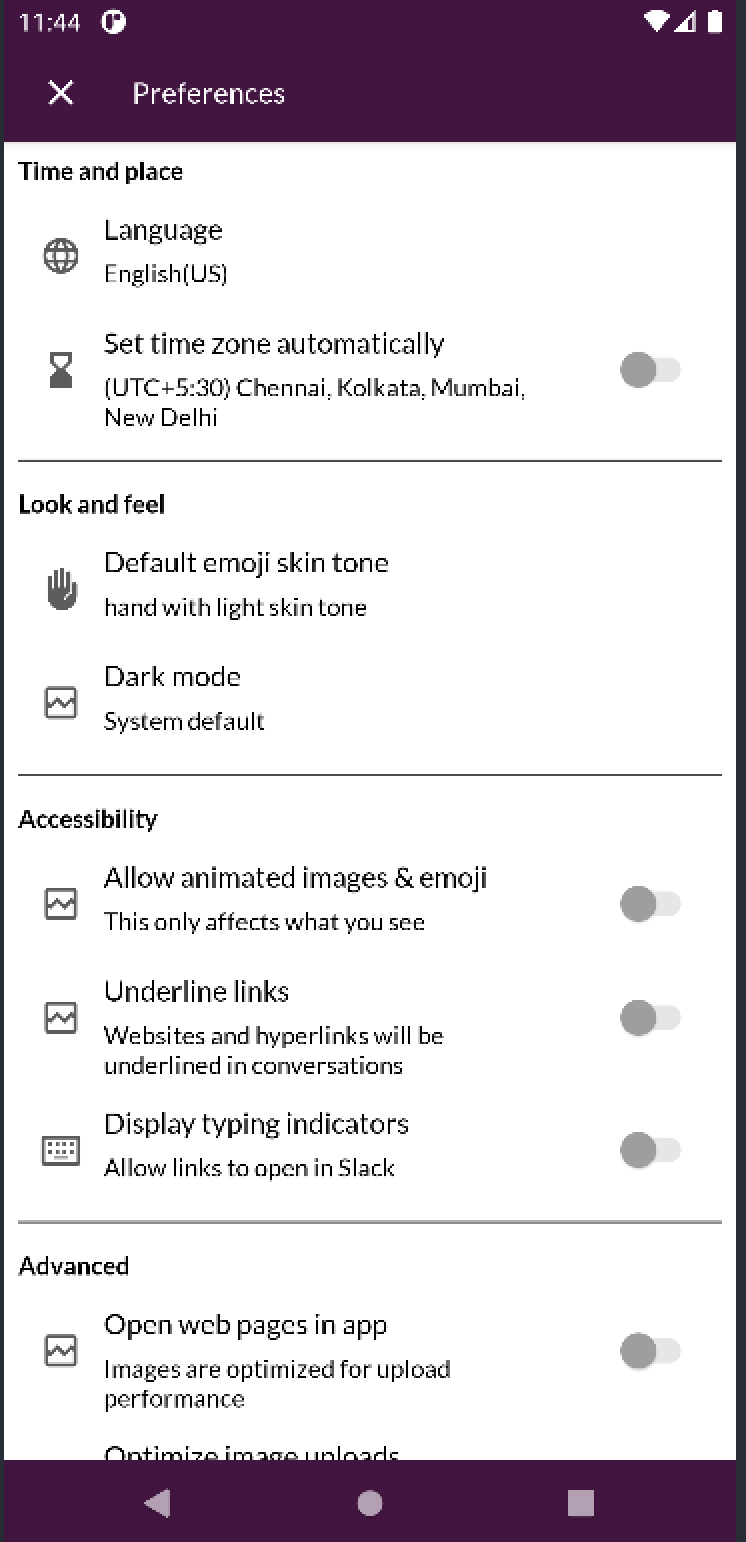
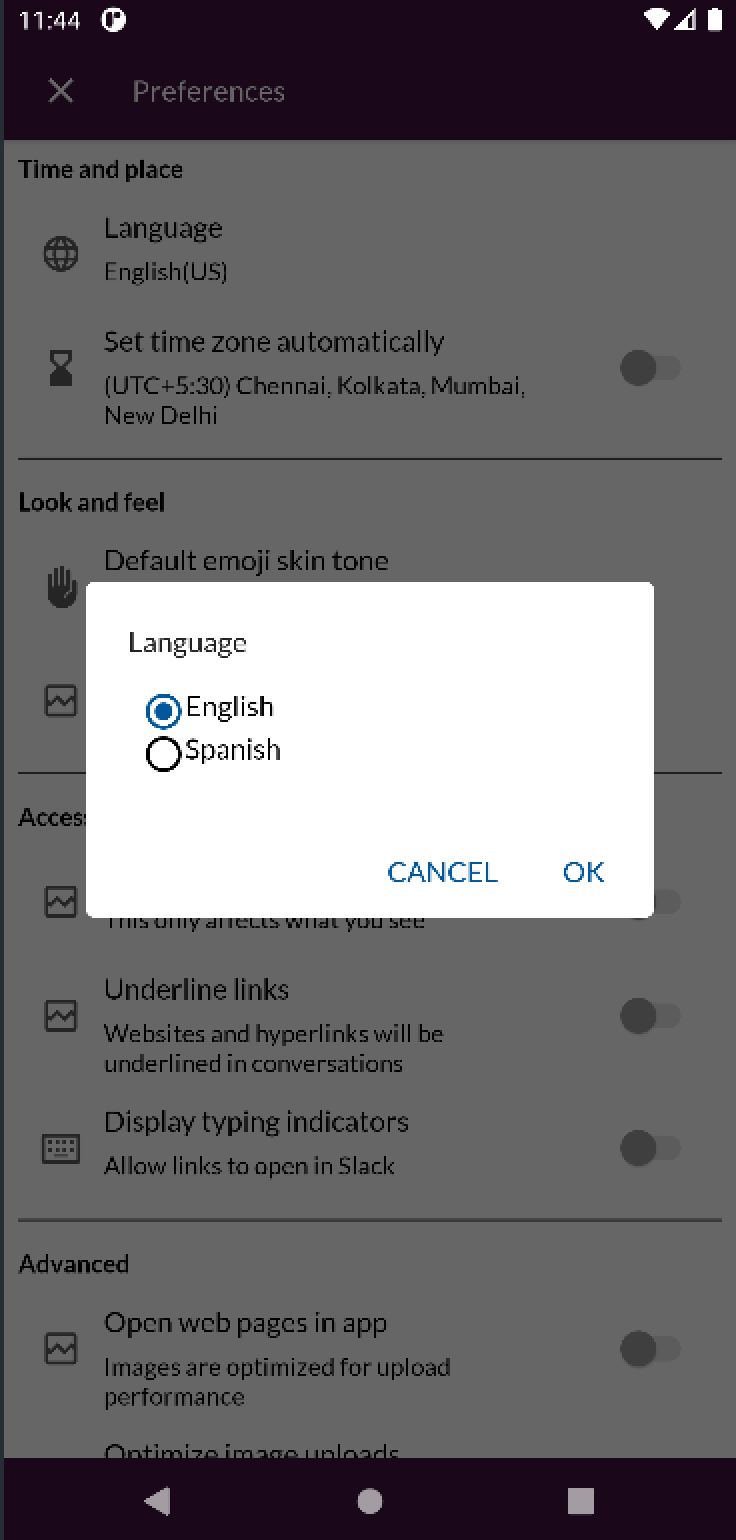
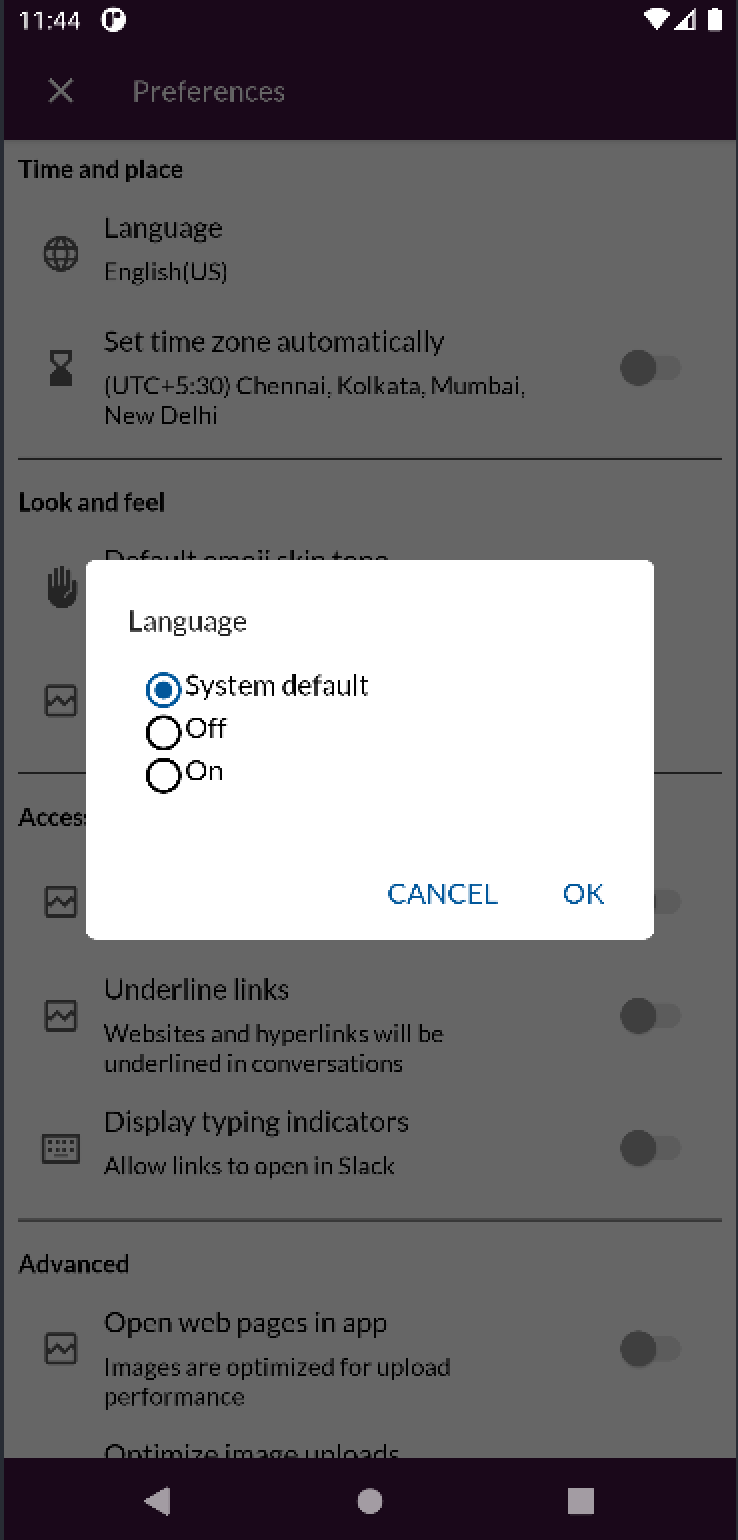
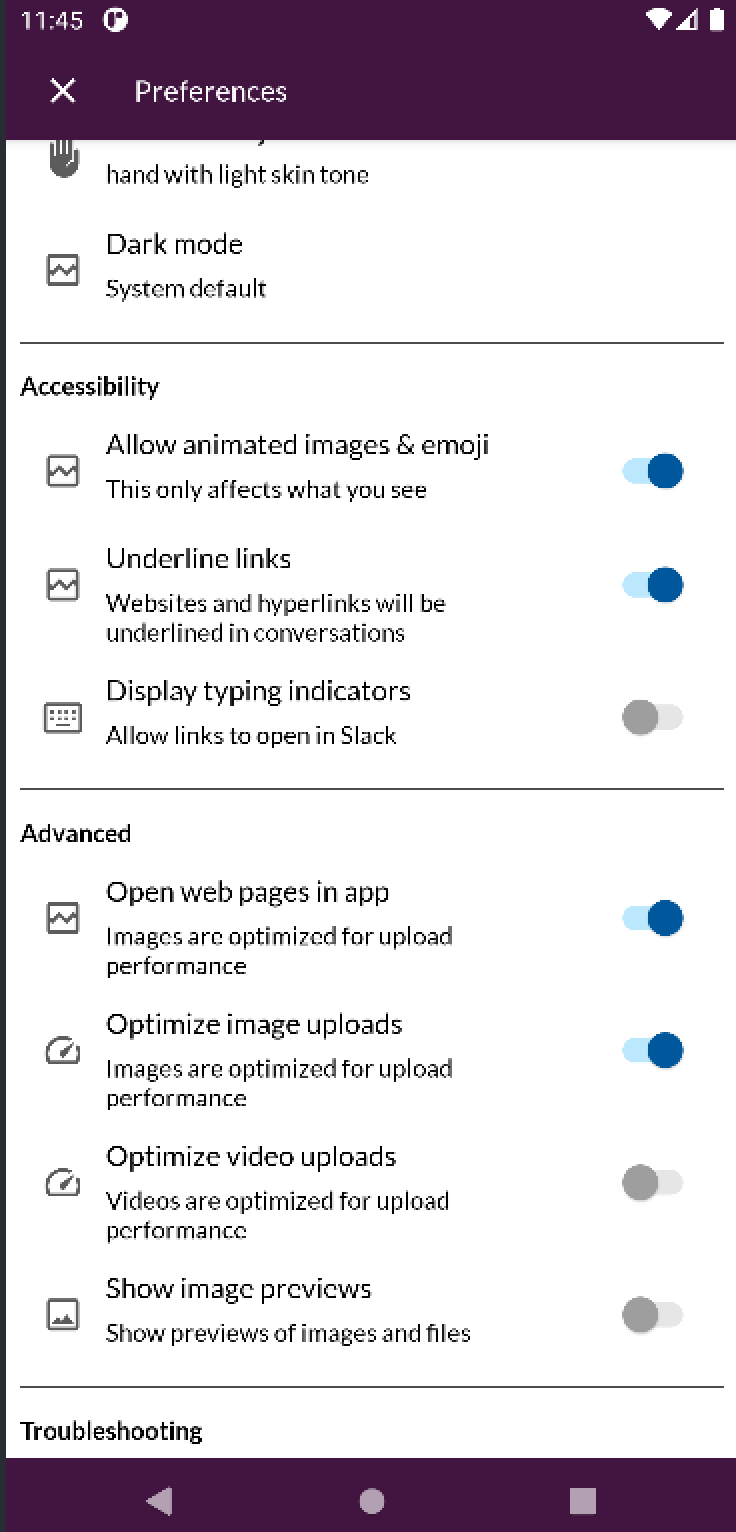
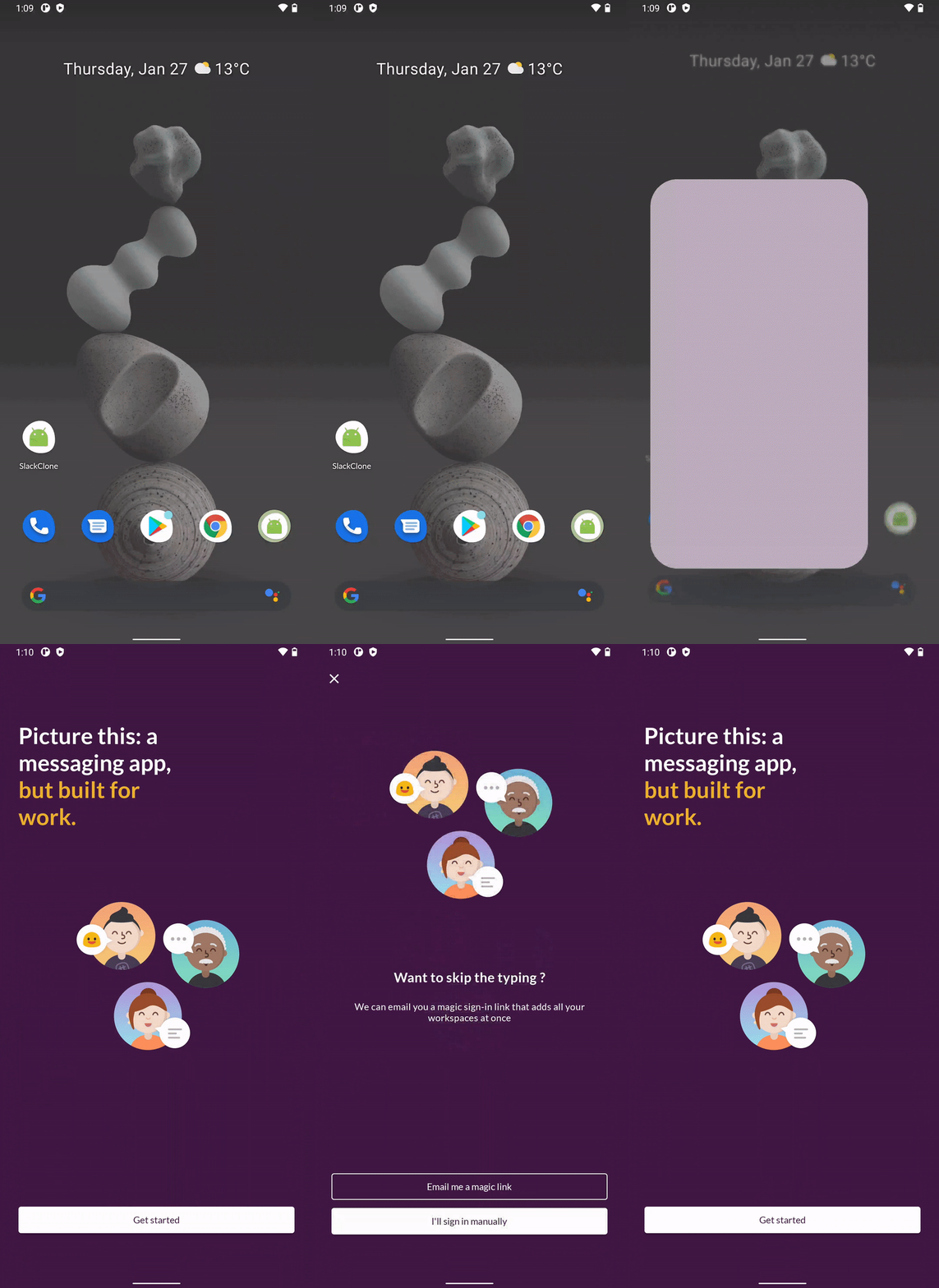
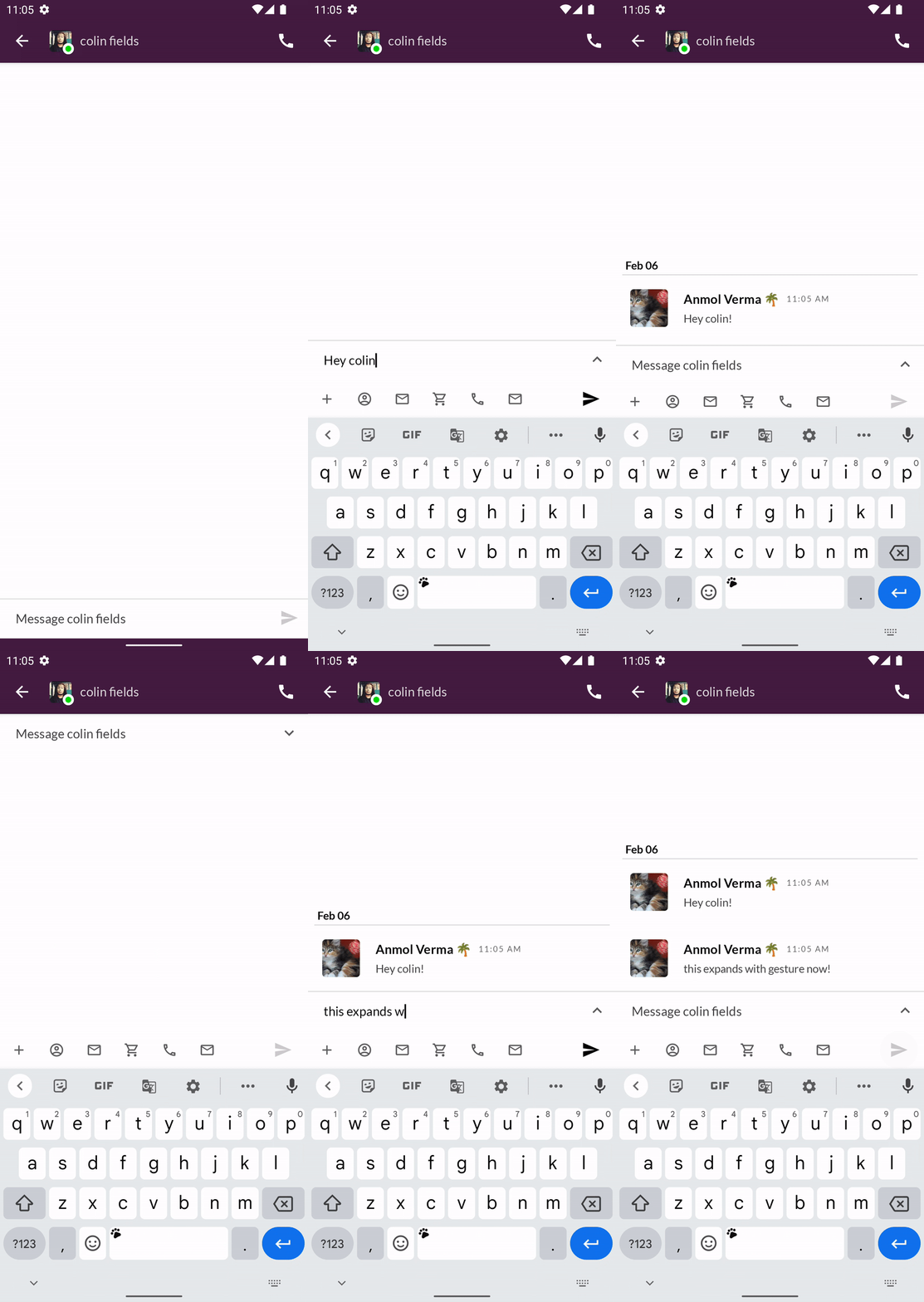
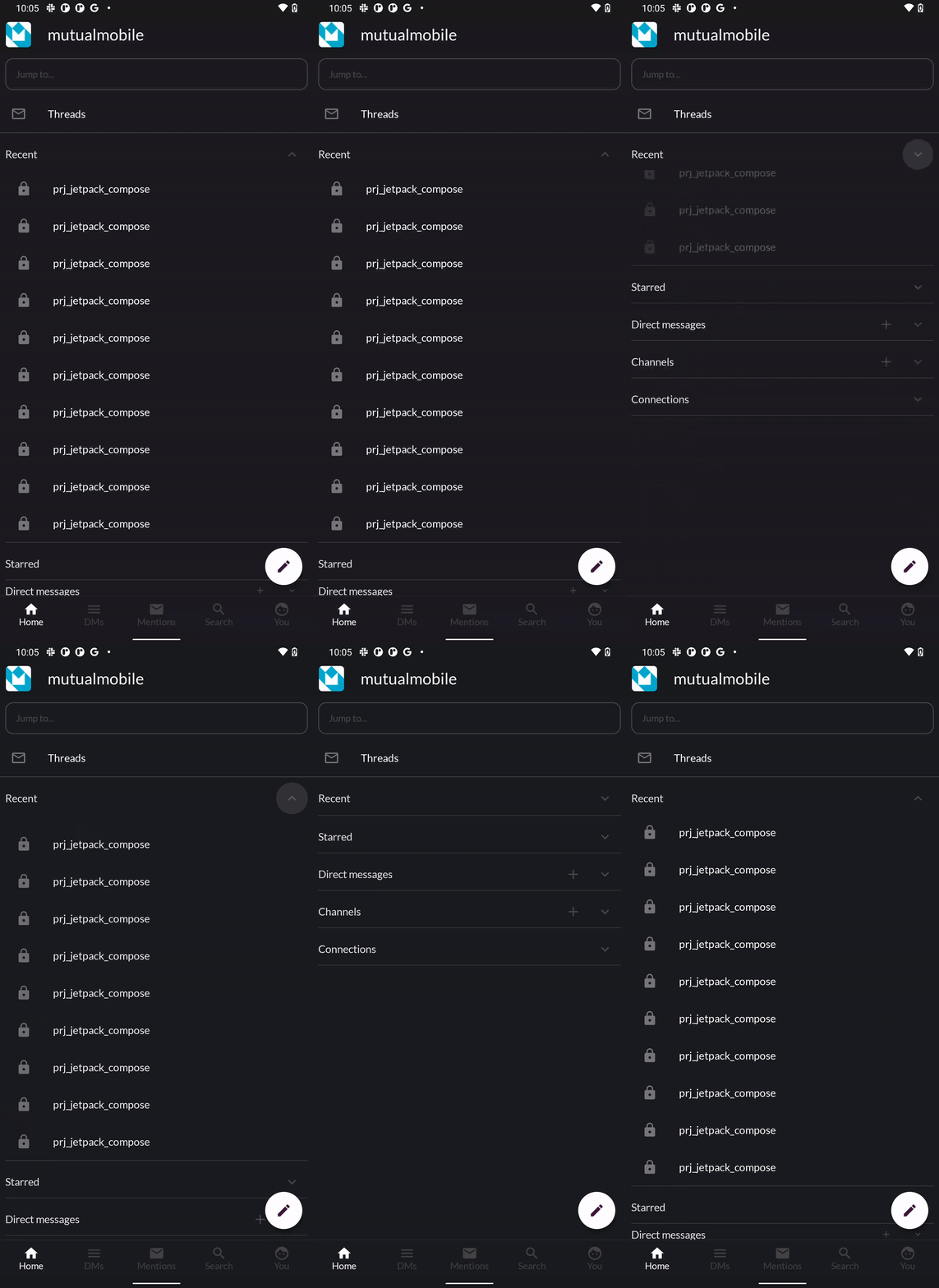
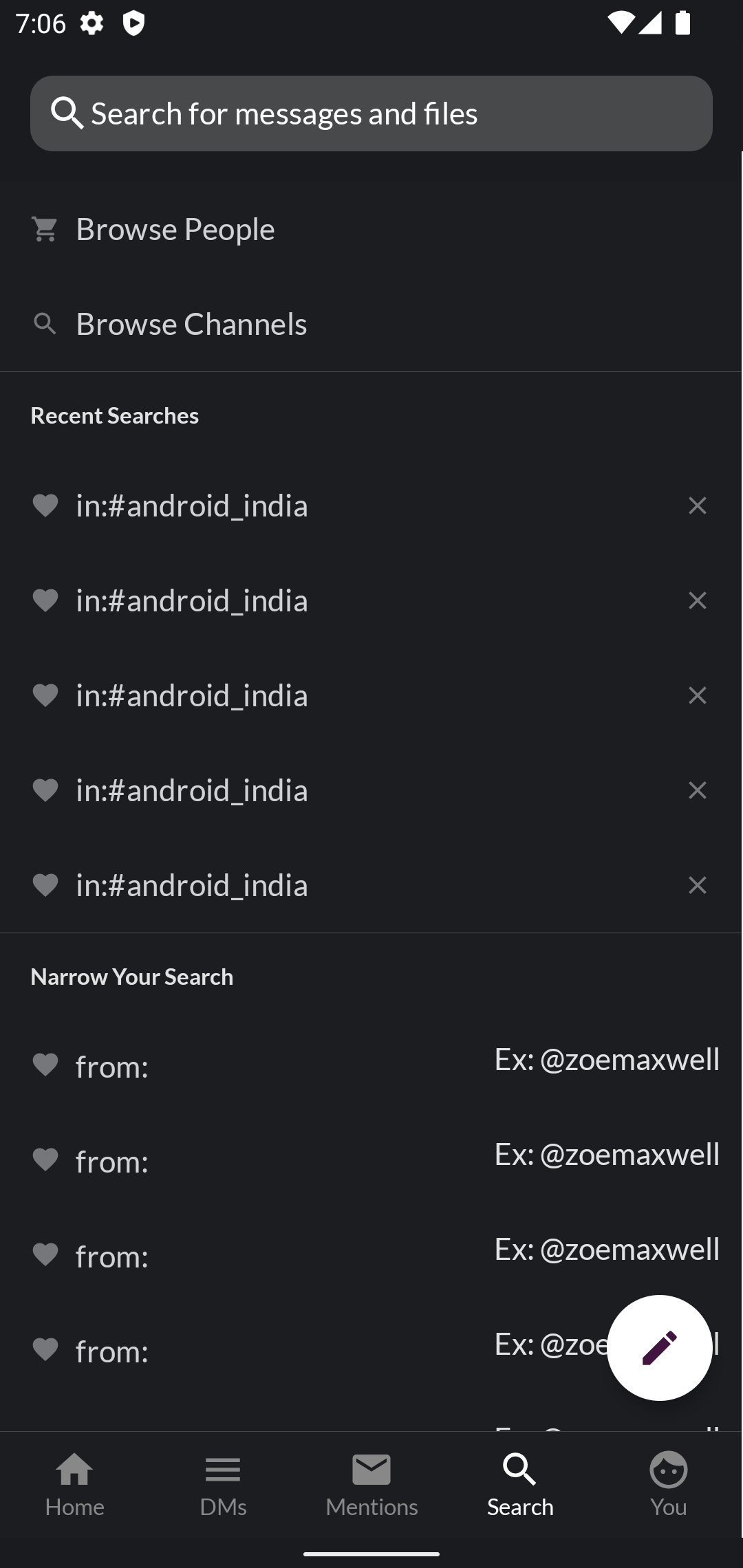
Screenshots
| Screenshots | In Progress |
|---------------- |------------------------------ |
|


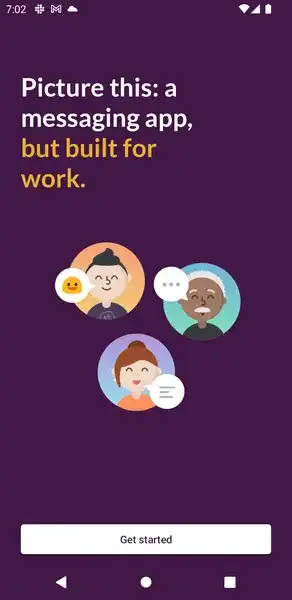

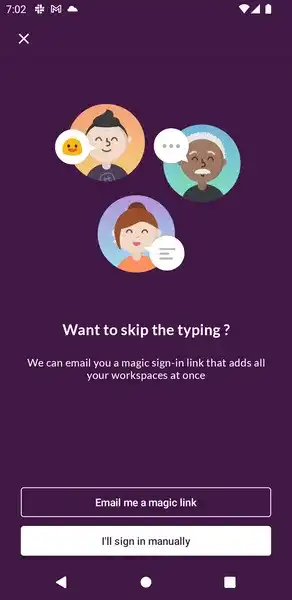
|

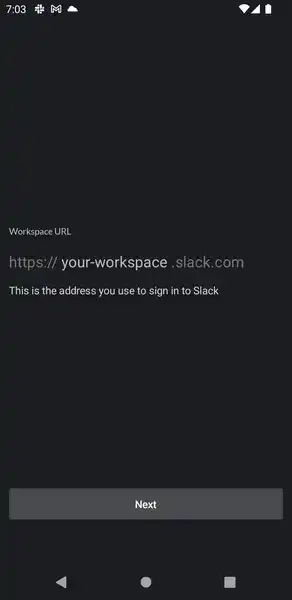

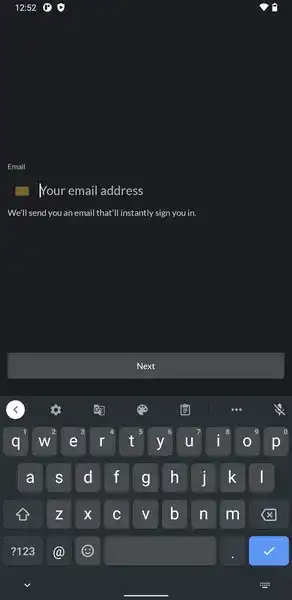
|

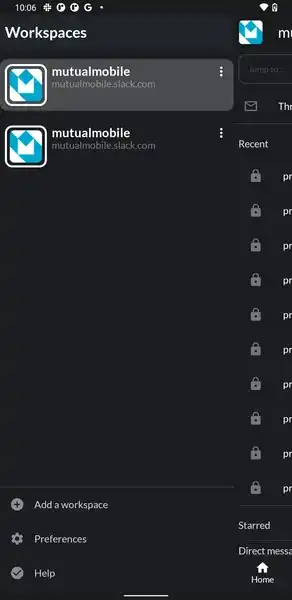
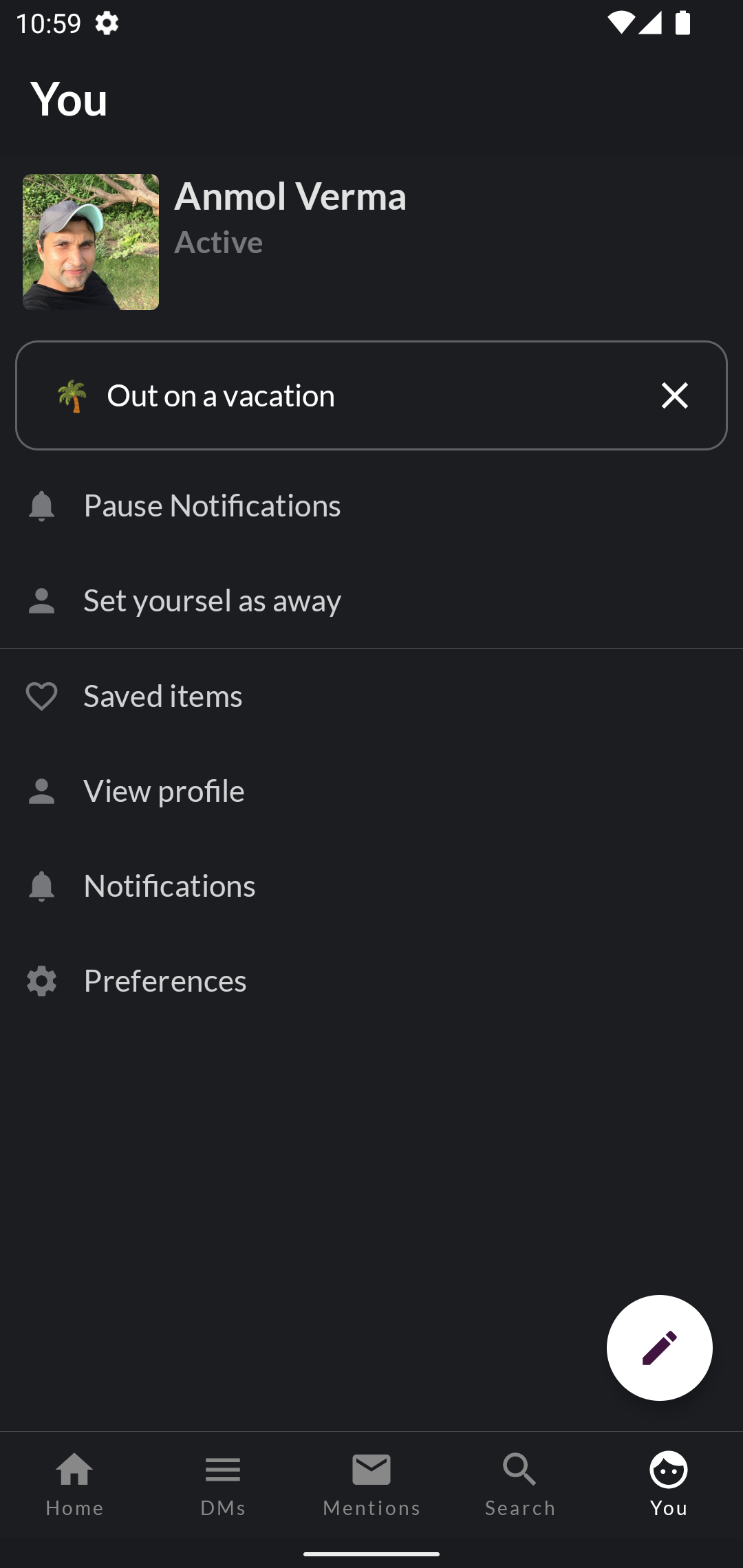 |
||
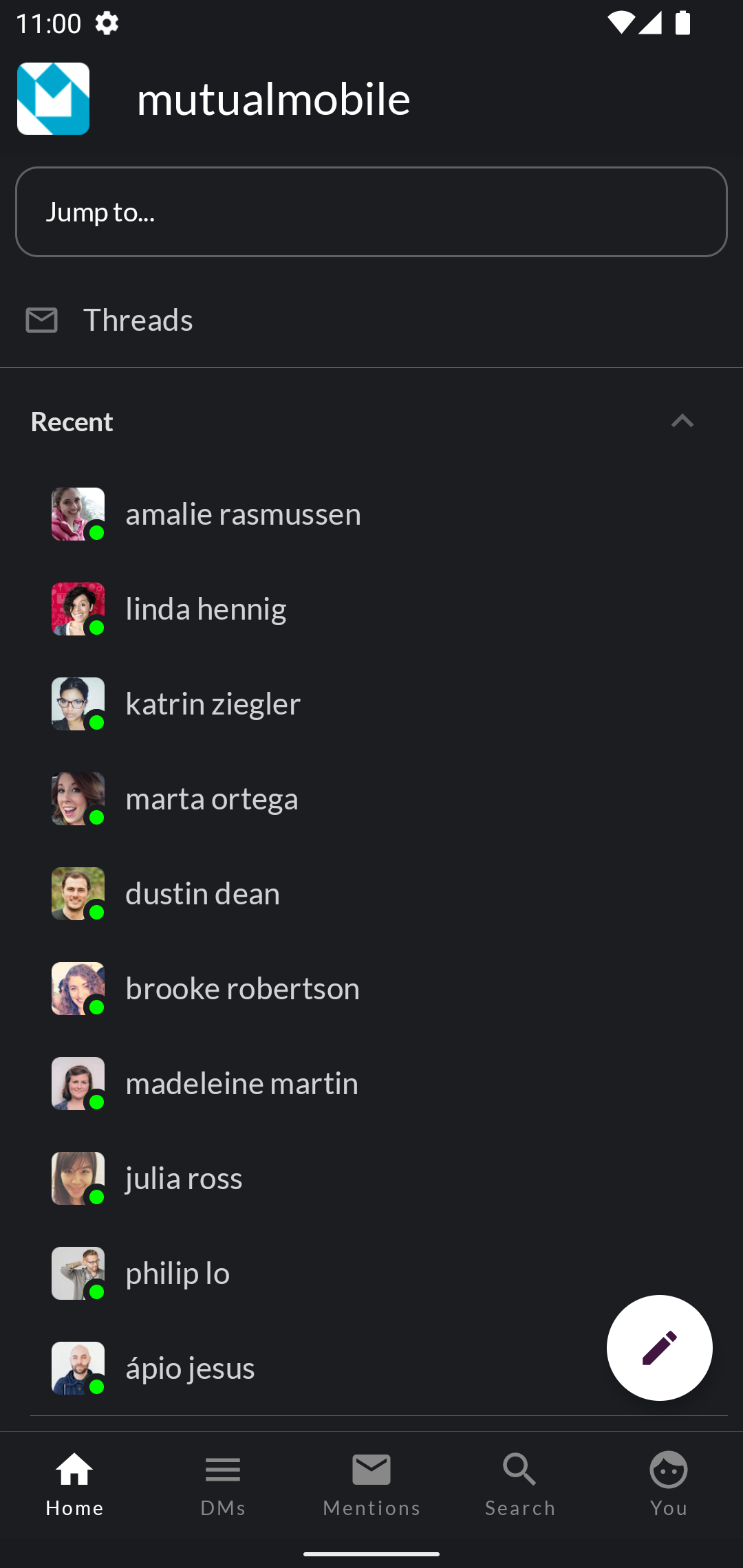 |
| 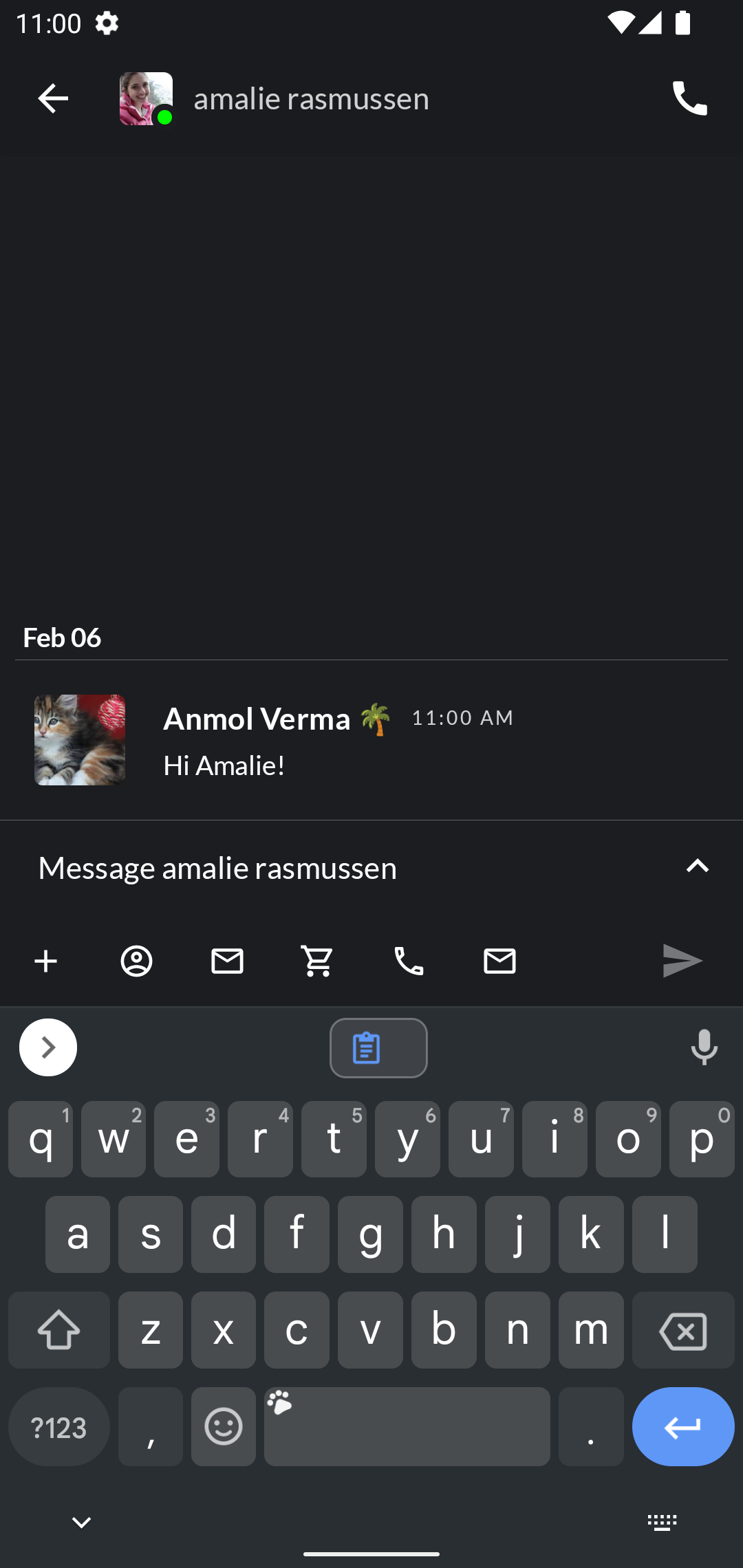 |
||
 |
|  |
||
 |
|  |
||
 |
|  |
||
 |
|  |
|
TODOs and questions to self
- Rewrite the Colors and light/dark mode compatibility!
- Should we have separate theme for each UI module ?
- How to handle dynamic theme colors ?
🏗️️ Built with ❤️ using Jetpack Compose 😁
| What | How |
|---------------- |------------------------------ |
| 🎭 User Interface (Android) | Jetpack Compose |
| 🏗 Architecture | Clean |
| 💉 DI (Android) | Hilt |
| 🌊 Async | Coroutines + Flow |
| 🌐 Networking | Retrofit |
| 📄 Parsing | KotlinX |
Languages, libraries and tools used
- Kotlin
- AndroidX libraries
- Android Architecture Components
- Android Data Binding
- Dagger 2
- Retrofit
- Kotlin Coroutines
Architecture
SlackClone follows the principles of Clean Architecture with Android Architecture Components.
Architecture's layers & boundaries:
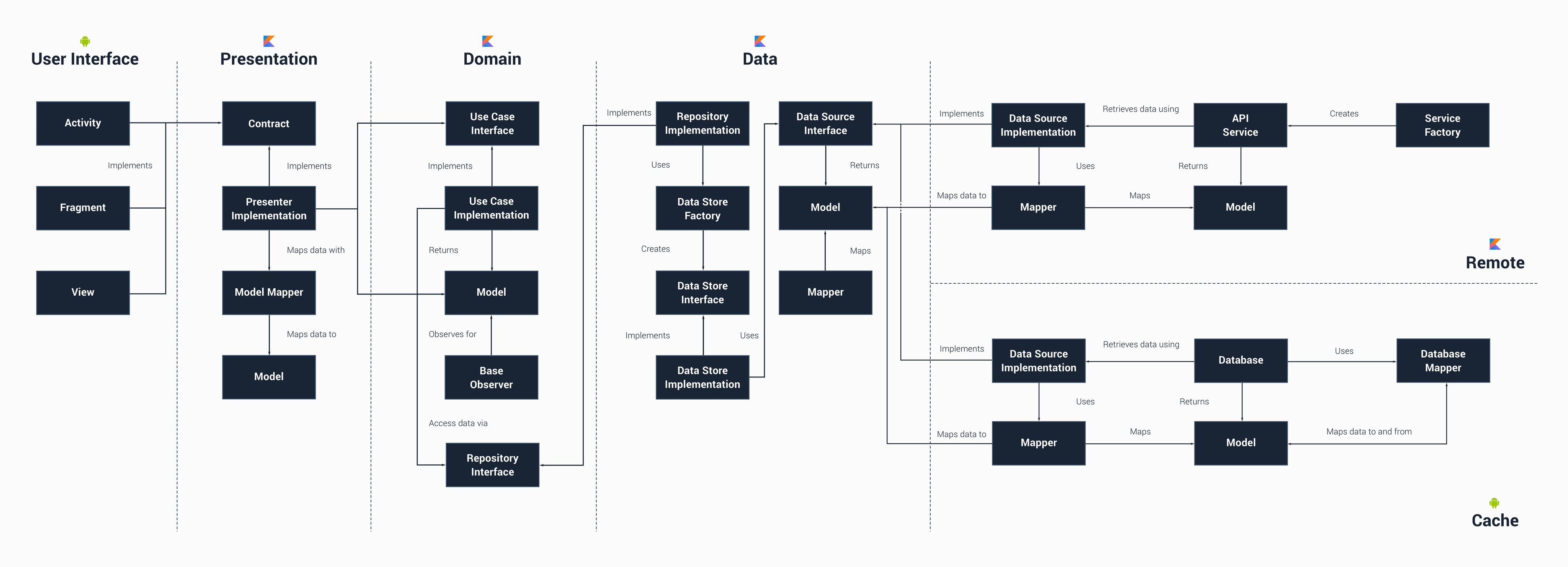
UI Layer contains UI (Activities, Composables, Fragments) that are coordinated by _
ViewModels which execute 1 or multiple UseCases._ Presentation Layer depends on Domain Layer.
Domain Layer is the most INNER part of the circle (no dependencies with other layers) and it
contains Entities, Use cases & Repository Interfaces. Use cases combine data from 1 or multiple
Repository Interfaces.
Data Layer contains Repository Implementations and 1 or multiple Data Sources. Repositories
are responsible to coordinate data from the different Data Sources. Data Layer depends on Domain
Layer.
Notes: Mapping between response models and transformed models will happen via extension
functions defined in transformed model file
When writing a new ui module
- First, Create a new android library module
- Make sure to copy build.gradle.kts from other ui module and paste it in your ui-module
- We need one fragment to host the composables, this fragment will be added to main nav graph.
- the routing within compose world is handled with Compose Navigator
- and to move out of one ui module you need to use the fragment navigator!
Conventions:
Files are suffixed with be defined Class types.
- ViewModels are suffixed with VM. Ex:
LoginVM - UseCases are suffixed with UseCase. Ex:
LoginUseCase - Sources are suffixed with Source. Ex:
LoginRemoteSource,LoginLocalSource - Repositories are suffixed with Repo. Ex:
LoginRepo
Conclusion
This project can be used as a template for new apps. This project is continually evolving to
integrate other libraries and techniques to keep it up to date.
Similar Libraries
Collapsible App Bar
Collapsible App bar made with Jetpack Compose & Motion Compose
Animation Playground
Practical examples of animations created using the intuitive animation API's that Compose offers
Bees And Bombs Compose
Implementing some cool animations using Jetpack Compose
Markdown Composer
Markdown rendering in Compose
Browse by Category


